



Anavar Side Effects You Need to Watch For Before Your Cycle
While anavar is often perceived as a “mild” steroid, its side effects can still be significant, particularly concerning cholesterol disruption and liver strain. Users may experience a sharp drop in “good” HDL cholesterol, increasing cardiovascular risk even at low doses. Hair thinning, increased body hair growth, and deepening of the voice in women are common, as are testicular shrinkage or menstrual irregularities in men and women respectively. Remember that these potential adverse effects require careful monitoring and medical guidance to manage safely.
What Side Effects Are Commonly Linked to Anavar Use?
Mark started Anavar expecting steady gains, but within weeks his energy flagged. Commonly, Anavar suppresses natural testosterone, leaving users like him with low libido and chronic fatigue. Many athletes also report elevated liver enzymes from the oral steroid, even at modest doses. Lipid profiles worsen quickly, with HDL cholesterol plummeting—a hidden heart risk. His skin became oily, and he noticed thinning hair, a typical androgenic effect. For some, the subtle joint pain and muscle cramps persist long after stopping, a quieter price of performance. These side effects, while often mild, accumulate with prolonged use.
How Does Anavar Affect Cholesterol Levels?

Anavar significantly impacts cholesterol by suppressing HDL (good) cholesterol while often elevating LDL (bad) cholesterol, a shift that can persist for weeks post-cycle. This effect is dose-dependent, with even moderate use (20-40 mg daily) potentially reducing HDL levels by 30-50%. The resulting lipid profile disruption increases cardiovascular strain, making regular blood monitoring essential for users. Unlike some steroids, Anavar’s oral administration and C-17 alpha alkylation specifically burden hepatic cholesterol metabolism. While the magnitude varies by individual genetics and duration, the negative impact on cholesterol balance is a well-documented side effect that demands proactive management through diet and supplementation.
Anavar lowers HDL cholesterol and raises LDL cholesterol, often causing a prolonged, dose-dependent imbalance that increases cardiovascular risk.
Can Anavar Cause Liver Toxicity and What Are the Signs?
Yes, Anavar can cause liver toxicity, though it’s considered milder than many other oral steroids. The liver processes this compound, and over time or with high doses, stress on the organ builds up. You might notice signs like jaundice (yellowing of the skin or eyes), dark urine, persistent fatigue, nausea, or pain in the upper right abdomen. If you experience any of these, stop use and see a doctor for liver function tests. Here’s a simple sequence for monitoring while on cycle:
- Get baseline liver enzyme bloodwork before starting.
- Limit cycle duration to 6–8 weeks and avoid alcohol or other liver-stressing substances.
- Watch for early signs like unusual tiredness or appetite loss, and stop immediately if jaundice appears.
Understanding Hormonal Side Effects of Anavar
Understanding hormonal side effects of Anavar is crucial for any user, as this compound directly impacts the body’s endocrine system. While it is considered a mild anabolic steroid, Anavar side effects frequently include a significant suppression of natural testosterone production. Users must recognize that even at low doses, Anavar can disrupt the delicate balance of sex hormones; men may experience reduced libido, erectile dysfunction, and lethargy. For women, virilization symptoms like voice deepening and clitoral enlargement can become irreversible if dosage is not strictly controlled. To mitigate these Anavar side effects, a proper post-cycle therapy (PCT) is essential to restore normal hormonal function. Unmanaged suppression leads to long-term fatigue and mood instability. Prioritizing regular blood work to monitor testosterone and estrogen levels is the only reliable defense against permanent damage. Never stack Anavar with other suppressive agents without understanding how each compound alters your hormonal profile.
Does Anavar Suppress Natural Testosterone Production?

Yes, Anavar (oxandrolone) suppresses natural testosterone production through negative feedback on the hypothalamic-pituitary-gonadal (HPG) axis. While considered milder than many anabolic steroids, consistent use of therapeutic or performance doses reduces luteinizing hormone and follicle-stimulating hormone output, leading to diminished testicular testosterone synthesis. This suppression is dose- and duration-dependent; higher doses and longer cycles cause more profound, lasting drops in endogenous levels. Users typically require post-cycle therapy (PCT) with selective estrogen receptor modulators or human chorionic gonadotropin to restore natural production. Without proper recovery protocols, hypogonadism symptoms—low libido, fatigue, mood disturbances—can persist for weeks or months after discontinuation.
Anavar does suppress natural testosterone production via HPG axis interference, requiring attentive post-cycle management to restore hormonal balance.
What Androgenic Side Effects Might Users Experience?
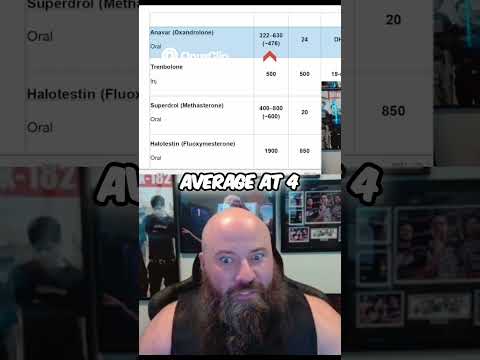
Users of Anavar will primarily confront androgenic side effects rooted in its mild anavar nature, though these are not absent. The most common is accelerated androgenic alopecia in genetically predisposed individuals, presenting as a receding hairline or thinning crown. Acne, particularly on the back, shoulders, and face, arises from increased sebum production. Vocal cord thickening, causing a permanent deepening of the voice, is a significant risk for female users. Clitoral enlargement and body hair growth are also reported in women. Men may experience increased body hair but face a lower risk of severe prostate irritation due to Anavar’s low androgenic rating, yet sensitive individuals can still encounter scalp changes.
Recognizing Physical Side Effects When Taking Anavar
You wake up three weeks into your Anavar cycle and notice your skin feels taut, almost waxy, while your lower back aches with a dull, persistent throb. These subtle cues—water retention and muscle cramps—are your body signaling liver stress and electrolyte imbalance. Recognizing them early means you can adjust hydration and add TUDCA supplements before symptoms escalate. Q: When should I stop Anavar if I feel joint pain? A: Stop immediately if pain is sharp or limits movement, as it may indicate tendon drying from reduced collagen synthesis. Ignoring yellowing eyes or dark urine, even while your strength climbs, invites hepatotoxicity; you must prioritize bloodwork over ego here.

What Hair-Related Changes Can Occur With This Compound?
Anavar can trigger distinct hair-related changes, primarily through its mild androgenic activity. Users often report increased shedding or thinning at the crown, a form of accelerated male pattern loss if they are genetically predisposed. While less aggressive than stronger steroids, the scalp’s follicles can still be sensitized, leading to miniaturization over time. Paradoxically, some users notice a temporary cosmetic improvement in hair texture due to reduced sebum production, though this does not negate potential long-term loss. Accelerated male pattern hair loss remains the most common alteration, typically reversible upon cessation if caught early. Hydration and anti-androgen shampoos can be vital mitigators.
Q: What hair-related changes can occur with this compound?
A: The most frequent change is gradual thinning at the crown and temples, resembling male pattern baldness, plus increased shedding during the cycle. Some users experience a drier scalp or slightly coarser hair strands. These effects are dose-dependent and usually subside after stopping.
How Might Anavar Affect Sleep and Energy Patterns?
Anavar can significantly disrupt sleep architecture by increasing cortisol and metabolic rate, often causing insomnia and restless nights despite physical fatigue. Users frequently report difficulty falling asleep and shallower, less restorative sleep cycles. While some experience an initial energy surge during waking hours, this is soon undercut by cumulative sleep debt, leading to afternoon crashes or heightened irritability. The compound’s mild androgenic nature may also raise nighttime anxiety, further fragmenting sleep. Managing dosing schedules earlier in the day can mitigate some disruption, but poor sleep quality remains a common complaint.
Anavar often disrupts sleep through elevated cortisol and metabolism, causing insomnia and uneven daytime energy despite a temporary boost in waking alertness.
Gender-Specific Side Effects of Anavar to Watch For

Gender-specific side effects of Anavar to watch for differ significantly between males and females. In women, virilization is the primary concern, including clitoral enlargement, deepening of the voice, and increased facial or body hair growth. These effects can become irreversible if Anavar use continues after initial signs appear. Men must watch for testicular atrophy, reduced sperm count, and gynecomastia, though the latter is less common with Anavar due to its low aromatization. Both genders risk hormonal imbalances, but women are more sensitive to androgenic effects even at low doses.
Early detection of voice deepening or clitoral changes in women warrants immediate discontinuation to prevent permanent alteration.
Monitoring for these gender-specific signs is critical throughout any cycle using Anavar.
What Virilization Symptoms Should Female Users Monitor?

Female users must monitor for early virilization signs to prevent irreversible changes. The voice is the most sensitive indicator—any deepening, hoarseness, or vocal strain warrants immediate cessation. Clitoral enlargement may appear as subtle engorgement; use a mirror to track changes weekly. Hirsutism on the chin, chest, or thighs often follows a patterned increase, not isolated hairs. Male-pattern hair thinning on the crown demands attention. Facial skin coarsening (e.g., enlarged pores, darker texture) and menstrual cycle interruption are additional red flags. Any single symptom progressing should prompt drug discontinuation, as stopping early often reverses some effects.
How Does Anavar Impact Male Reproductive Health?
Anavar directly impacts male reproductive health by suppressing natural testosterone production, often leading to hypogonadism. This creates a clear sequence of effects: first, luteinizing hormone and follicle-stimulating hormone levels drop, then testicular function declines. Users may experience testicular atrophy, reduced sperm count, and lower libido. In some cases, prolonged use can cause irreversible testosterone suppression requiring exogenous hormone replacement. Recovery is not guaranteed after discontinuation, especially with long cycles or high doses. The drug’s androgenic activity also risks worsening benign prostatic hyperplasia symptoms. Men should monitor for persistent fatigue, erectile dysfunction, and mood changes as indicators of underlying reproductive harm. Post-cycle therapy is essential but does not always restore full function.
- Hypogonadotropic hypogonadism develops as Anavar inhibits the hypothalamic-pituitary-testicular axis.
- Testicular shrinkage and oligospermia become noticeable within weeks of continued use.
- Despite being a milder steroid, cumulative suppression can impair fertility and libido long-term.
Tips for Minimizing the Risk of Side Effects With Anavar
To minimize side effects with Anavar, strict adherence to a low dose, typically 20-40mg daily for men, is critical. Never exceed an eight-week cycle to protect your lipid profile. Monitor your blood pressure weekly, as water retention can mask cardiovascular strain. The most insidious risk is liver toxicity, so avoid all alcohol and NSAIDs during use. Always run a mild liver support supplement like TUDCA. Watch for early signs of hair thinning or acne; if these appear, discontinue immediately. Women should keep doses under 10mg daily to avoid virilization. Finally, ensure no pre-existing kidney issues, as Anavar can tax renal function over time.
What Dosage Adjustments Help Reduce Adverse Reactions?
Starting with a low initial Anavar dose is the most direct way to cut adverse reactions. For most users, 20–30 mg per day keeps side effects minimal while still providing results. If you notice issues like cholesterol shifts or liver strain, dropping back to 10–20 mg daily often resolves them without losing all benefits. Another common adjustment is splitting the daily amount into two smaller doses, which helps keep blood levels steady and reduces the chance of nausea or headaches. Avoid jumping to higher doses quickly—slow, incremental increases let your body adapt and lower the risk of stress on your system.
Key dosage adjustments to reduce adverse reactions: start low (20–30 mg daily), reduce to 10–20 mg if issues arise, and split the dose into two smaller servings for steadier levels.
Which Supplements Can Support Liver and Lipid Health During Use?
To offset anavar’s hepatotoxicity and lipid disruption, specific supplements are essential. Milk thistle (standardized to 80% silymarin) directly protects liver cells from oxidative stress. N-acetylcysteine (NAC) replenishes glutathione, critical for liver detoxification pathways. For lipid health, 3–4 grams daily of high-dose omega-3s (EPA/DHA) counterbalance anavar’s LDL-raising and HDL-lowering effects. Coenzyme Q10 (100–200 mg) supports mitochondrial function and may blunt hepatic stress.
- Milk thistle (silymarin) for reducing liver enzyme elevation
- N-acetylcysteine (NAC) to boost glutathione levels and detox
- Omega-3 fatty acids to improve LDL/HDL ratio
- Coenzyme Q10 to protect hepatic mitochondrial function